Sudden heart attack hardly ever happens in a peaceful facility with a clinical group on call. It takes place on the side of a football oval, beside a college play area, at a weekend break community occasion. Individuals closest to the kid or grownup in difficulty are commonly not paramedics, however coaches, teachers, and volunteers.
That reality is why express CPR training and fast first aid courses exist. They are not shortcuts in the lazy sense. When done effectively, they are concentrated, high-yield programs that give active people the abilities to act emphatically when secs matter.
I have educated hundreds of teachers, club authorities, and volunteer parents. The same motifs come up every single time: minimal time, completing priorities, a little of anxiousness regarding obtaining it incorrect, and a really strong sense of duty. This post is composed keeping that lived mix of stress and dedication in mind.
Why rapid CPR skills matter in your role
If you manage youngsters, run a group, or take care of teams of individuals in your extra time, you currently lug danger, whether you discuss it or not. Heart attack, severe bronchial asthma, anaphylaxis, choking, significant blood loss, head injuries, warmth disease, diabetic person emergency situations, seizures; these cases do not wait on rescue feedback times.
In heart attack, every minute without reliable CPR and early defibrillation can minimize survival by concerning 7 to 10 percent. In practice that means the institution or sports club that has people trained in CPR and standard first aid is often the distinction in between a death and a survivor that goes out of hospital.
Formal first aid and CPR courses are very important, but the fact for lots of volunteers is rough: long courses are tough to participate in, funding is limited, and lineups are complete. Express first aid and express CPR training objective to bridge that gap by pressing crucial web content into shorter, a lot more concentrated delivery.
What "express" CPR and first aid really means
The expression gets sprayed delicately in advertising and marketing. In method, an excellent express first aid course does not cut corners on the basics. Instead, it gets rid of nice-to-have web content, lengthy theoretical detours, and expanded assessment layouts to make sure that active adults can get first aid certificates or CPR certification in a couple of focused hours.
Here is what express cpr courses and fast first aid training normally alter compared to a full-day first aid course:
- shorter overall period, frequently 2 to 3 hours for express CPR and 3 to 5 hours for express first aid more pre-course on-line discovering, to make sure that concept is covered in the house and classroom time is utilized for hands-on practice tighter concentrate on the most likely and most severe emergency situations for your context, such as sports injuries or childcare incidents streamlined analysis based upon circumstance efficiency as opposed to lengthy paper tests
If you see "fast first aid course near me" in your search results, look very carefully at the description. Numerous reliable training organisations currently use blended layouts, where first aid training concept is finished online and the in-person part is express and very practical.
The secret is that speed comes from much better style, not from avoiding vital skills.
Core abilities every coach, instructor, and volunteer ought to really have
A lot of individuals tell me "I just desire CPR training." After a couple of inquiries, what they truly desire is confidence that they can handle the very first 5 to 10 minutes of any kind of severe incident till aid arrives.
For coaches, teachers, and volunteers, a strong express first aid and CPR course ought to leave you able to:
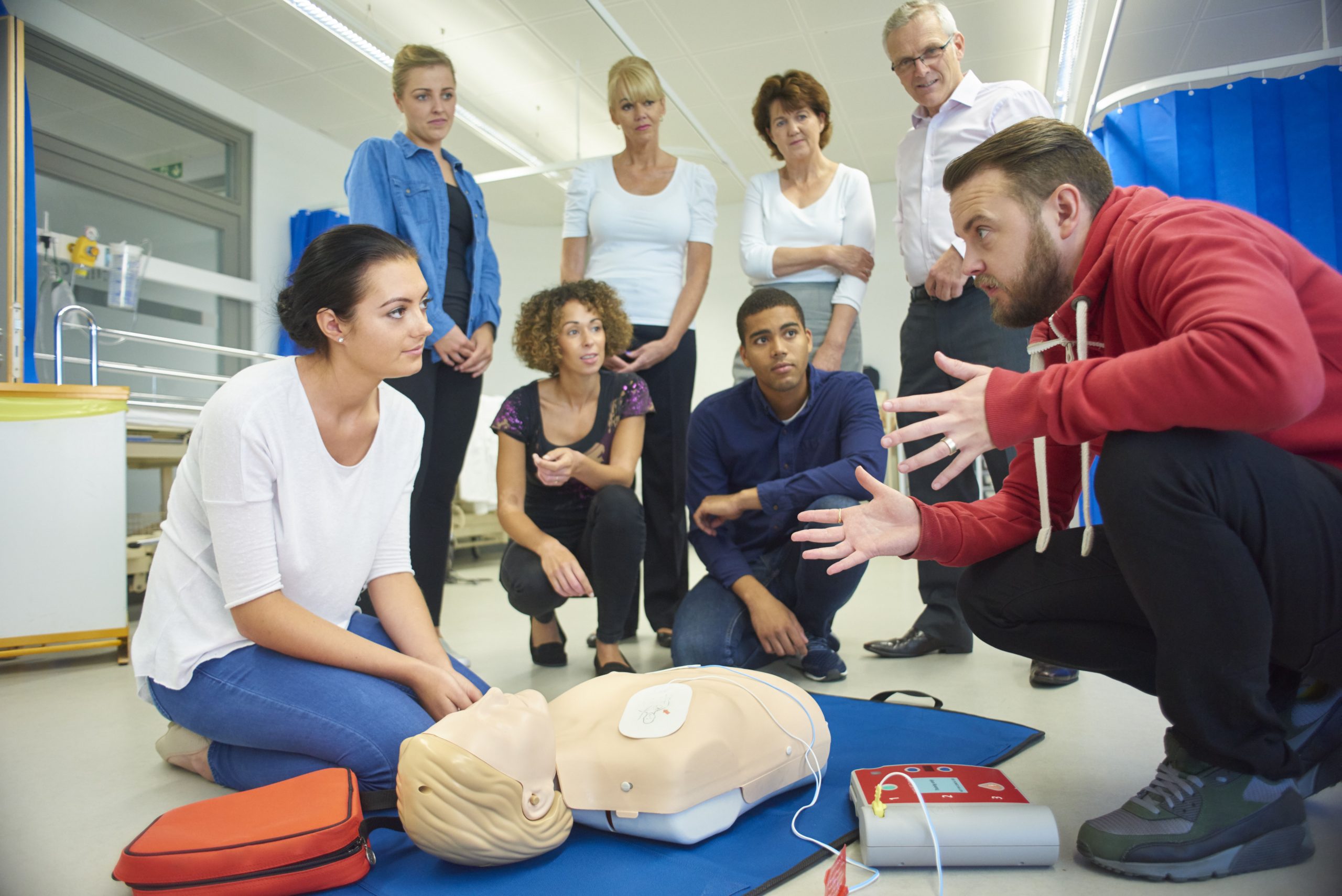
- recognise heart attack, start top quality CPR, and utilize an AED confidently manage a choking kid or adult, consisting of the grey areas where the individual is still aware yet struggling control severe bleeding with straight stress and straightforward improvisated methods if kits are limited respond to an unconscious yet taking a breath individual, including secure positioning and ongoing monitoring identify and handle anaphylaxis and severe bronchial asthma making use of typical college or club emergency kits
Beyond that core checklist, your context matters. A jr rugby coach benefits from added time on spine preventative measures, blast, and fractures. A child care instructor requires depth in paediatric air passage, febrile convulsions, and consumption of toxins. An event volunteer might require more emphasis on group cases, warmth ailment, and diabetic emergencies.
This is one area where express child care first aid courses can be really important. They take the typical first aid and CPR material, after that intentionally turn it toward infants first aid and cpr courses Brisbane and youngsters: smaller air passages, different compression techniques, developmental behaviors, and regular childcare hazards.
A quick look inside a realistic emergency
A tale from a Saturday early morning netball ground sticks with me. A 12 year old fallen down during workout. No prior history that anyone knew of. Train thought at first it was a fainting episode. 2 minutes later on, still less competent, barely breathing.
The instructor had completed a fast cpr refresher course three months earlier. She identified agonal breathing, called it as heart attack, and started compressions. Another moms and dad brought the club AED. They complied with the triggers, supplied a shock, and continued CPR up until rescue staffs arrived.
If you review the case notes, you see medical terms and result recaps. What does disappoint is the reality that the trainer had said with herself concerning doing the course because it completed at 10 pm on a work night and she really felt tired. She went anyway, did the fast cpr training, and when the moment came, her brain had somewhere to go besides panic.
This is where express CPR training pays off. It transforms obscure purpose right into practiced practice, without asking for a complete day off work.
Balancing rate and top quality in fast first aid courses
There is a factor where a course becomes too "fast" and high quality experiences. From an educator's perspective, there are a couple of red flags:
If the timetable allows much less than around 90 minutes of hands-on practice for CPR and AED use mixed, ability retention will be poor. Individuals might pass the evaluation yet will certainly not really feel comfy in a genuine emergency.
If the class size is too big relative to the variety of manikins and trainers, students end up enjoying greater than doing. In first aid and CPR training classes, everyone needs multiple complete cycles of compressions and breaths, not just a token 30 seconds.
If the material feels like a fast slide show of every possible problem without any time for situation method, you may walk away with knowledge however without functional fluency. Fast first aid courses must tighten range to core problems and drill those well, as opposed to skim everything.
On the other hand, there is such a thing as excessively long training that wears down students and waters down emphasis. I have seen 8 hour first aid courses where the last two hours consist of every person grinding via tests while quietly wishing the clock to run out.
The wonderful spot for lots of hectic grownups is blended shipment: online, self-paced lessons covering anatomy, lawful responsibilities, and low-risk topics, adhered to by a focused practical session of 2 to 4 hours. This style appreciates grownups' time while keeping standards high.
What to expect in an express CPR or first aid session
If you reserve an express cpr course or express first aid training, it assists to understand what you are signing up for. A properly designed session typically follows a straightforward rhythm:
- brief review of your pre-course learning and an opportunity to ask questions or make clear misconceptions demonstration of core abilities by the fitness instructor, after that prompt method by students on manikins or training partners short, realistic scenarios that incorporate abilities, such as approaching a fallen down individual, examining reaction and breathing, calling for help, and starting CPR assessment woven right into situations, so it feels like problem addressing as opposed to a presented exam
Sessions for trains and teachers usually include circumstance components based on genuine atmospheres: a crowded sideline, an indoor gym, a class, or a play ground. The goal is to assist you psychologically practice what you would really carry out in your very own setting.
You needs to leave an excellent express cpr training session tired from physical technique, a little shocked at just how requiring effective compressions are, and dramatically extra certain than when you walked in.
If you finish a fast first aid course feeling like you primarily saw PowerPoint slides and barely touched a manikin, the course layout has actually missed out on the mark.
Choosing the best express course provider
Typing "fast first aid course near me" or "express cpr courses" into a search engine produces a woodland of options. Some are excellent, a few are minimal, and lots of being in the middle.
Here are useful factors I use when assisting an institution or club pick a provider:
Accreditation and acknowledgment matter. In many regions, an acknowledged first aid certificate should come from a registered training organisation or an equivalent body. If you require your qualification to fulfill workplace or governing demands, examine that the carrier lists unit codes or formal course identifiers, not simply marketing language.
Look at class size and equipment. An appropriate ratio is typically one manikin for every single two learners for CPR method. If a provider tries to squeeze 25 people right into a two hour express cpr course with 3 manikins, skill technique will suffer.
Ask how the material is tailored. A good carrier will have variants such as express child care first aid courses, sports-focused first aid training, or workplace-specific programs. A "one dimension fits all" lecture is not as effective.
Check recency and update methods. Guidelines for first aid and CPR advance. Carriers that state current resuscitation council guidelines and regular course updates are most likely to educate approximately date methods.
Finally, think about logistics. On-site express first aid training at your college, club, or recreation center typically functions better than sending out individuals off to public courses. People feel more relaxed in acquainted surroundings, and situations can make use of actual devices and spaces.
Special emphasis: express childcare first aid
Childcare and early understanding environments have a particular risk profile. Younger kids can not define their signs well. They explore by placing objects into their mouths. They have smaller sized air passages and various physiology. Personnel handle duty of look after multiple youngsters at once.
An express child care first aid course needs to recognize that reality. The core abilities coincide first aid and CPR concepts, yet adapted.
Paediatric CPR strategy is different: smaller hands, different compression deepness, gentle head tilt. Choking monitoring in babies and small children uses meticulously controlled back impacts and chest drives, not just scaled-down grown-up methods.
Allergic responses and anaphylaxis are a lot more common in this age group. Educators needs to understand exactly how to recognise very early indicators, make use of EpiPens or similar gadgets, and manage the disorderly few mins while waiting on a rescue and reassuring various other children.
Head injuries from falls, febrile convulsions, consumption of non-food things, and play area cracks all include more heavily in express childcare first aid training than in a common first aid course.
Importantly, a fast first aid course in a childcare environment should address interaction with parents and documents. After a severe event, your composed document, calm description, and proof that team hold present first aid certifications usually come under scrutiny.
Express childcare first aid courses work best when arranged right into routine staff training schedules, so new educators and alleviation staff are swept into the very same criterion as permanent employees.
Keeping abilities fresh with fast CPR refresher courses
CPR is a physical ability. It decomposes in time, much like any kind of method you do not exercise. Research suggests that performance starts to go down within months if there is no refresh, also if your formal certificate continues to be legitimate for one or more years.
For that factor, I encourage schools and clubs to treat fast cpr correspondence course as a yearly ritual rather than a management second thought. Short, focused refresher courses that compete one to two hours and concentrate only on arrest acknowledgment, compressions, breaths, and AED usage can match team meetings or preseason preparation evenings.
You do not need to duplicate a full first aid course every year. Instead, a cycle functions well: complete first aid and CPR training in year one, express cpr training or refresher in year two, then a combined first aid and CPR course in year 3 to reset expertise and certificates.
Between official courses, micro-practice helps retention. Two minutes of compressions on a manikin obtained from a regional carrier, fast "what would certainly you do?" circumstances at personnel instructions, and even psychological practice session when you pass the AED cupboard keeps neural paths warm.
Integrating first aid and CPR into day-to-day practice
Training is only half the work. The various other half is embedding first aid and CPR believing into the method teams, class, and area groups operate.
For instructors, that may appear like designating a "safety and security lead" for each and every training session, a person that knows where the first aid set and AED are, has actually finished a current read more express first aid course, and brings a charged phone. It might indicate basic pre-season communications to parents regarding clinical problems, bronchial asthma activity strategies, and that holds first aid certifications at the club.
Teachers can incorporate fundamental first aid understanding right into health lessons, teaching older pupils just how to identify emergency situations, when to call for aid, and just how to help an adult that is performing CPR. It ends up being a shared responsibility as opposed to a secret skill a few team hold.
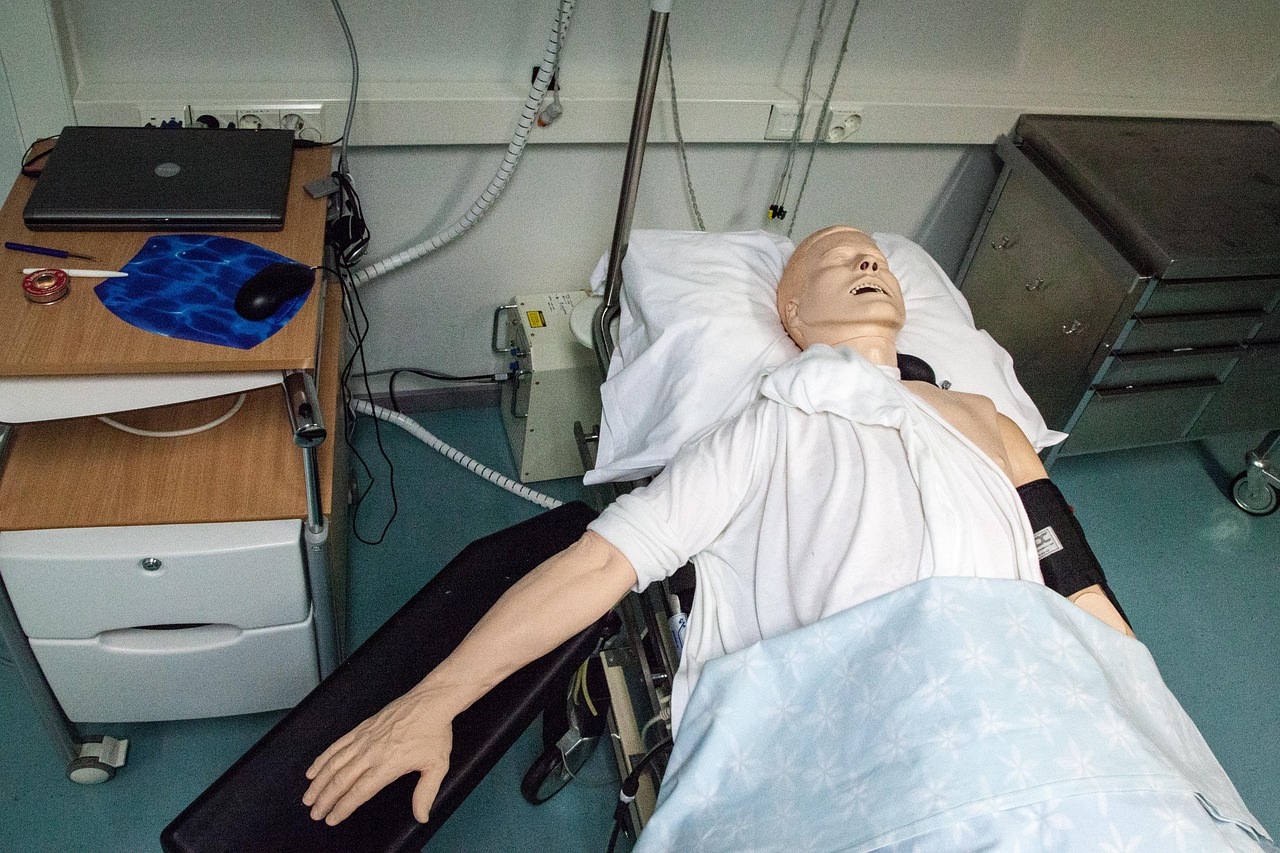
Volunteers at community events can receive a short pre-briefing on emergency situation treatments: who is learnt first aid and CPR, where the packages are located, where ambulances can access the site, and exactly how to guide bystanders in a crisis.
This is where fast first aid, express CPR, and various other compressed formats radiate. Due to the fact that the courses are short, you can run them more often, for more individuals, and integrate them efficiently right into existing training days or preparing meetings.
When a fast course is not enough
There are additionally restricts to what express formats can reasonably achieve. If your role includes high-risk environments, such as remote camps, contact sport events, or overseeing pupils with complicated medical requirements, a short express first aid course may want on its own.

In those setups you may integrate typical first aid courses with added modules: sophisticated resuscitation, remote location first aid, or particular training in bronchial asthma and anaphylaxis. A fast certification path is still feasible, but it includes piling targeted short courses instead of counting on a solitary express session.
Equally, some individuals take advantage of slower pacing. New volunteers with bad literacy, express cpr courses individuals utilizing English as an extra language, or team with high stress and anxiety around clinical circumstances in some cases need even more time, more repeating, and smaller sized teams. That is not a failure of express first aid training, just a reminder that format does not suit everyone.
The finest companies will use alternatives: express first aid courses and fast cpr courses for those that fit and time-poor, alongside more traditional full-day programs when depth and reflection are needed.
Bringing it back to your next step
If you are a trainer, educator, or community volunteer analysis this, the useful concern is simple: what will you do before the next period, term, or major event?
You do not need to become a paramedic. You do not require to memorise every medical problem. You do need a clear, practiced reaction to the handful of emergencies that can alter lives in minutes.
Look for recognised first aid and cpr training that respects your time. Consider a combined first aid and cpr course or an express cpr training session incorporated right into your existing commitments. If you collaborate with children, specifically in very early years, prioritise an express childcare first aid course that focuses directly on paediatric needs.
Most of all, stay clear of putting it off. On a regular day, when someone on your field or in your class suddenly falls down, the only thing that matters is whether somebody close by has actually put in the time to discover what to do in those first critical minutes.